

In-depth interviews, founder profiles and technology stories from the people building the next phase of artificial intelligence. Here’s everything you need to know.
AI NEWS
AI NEWS
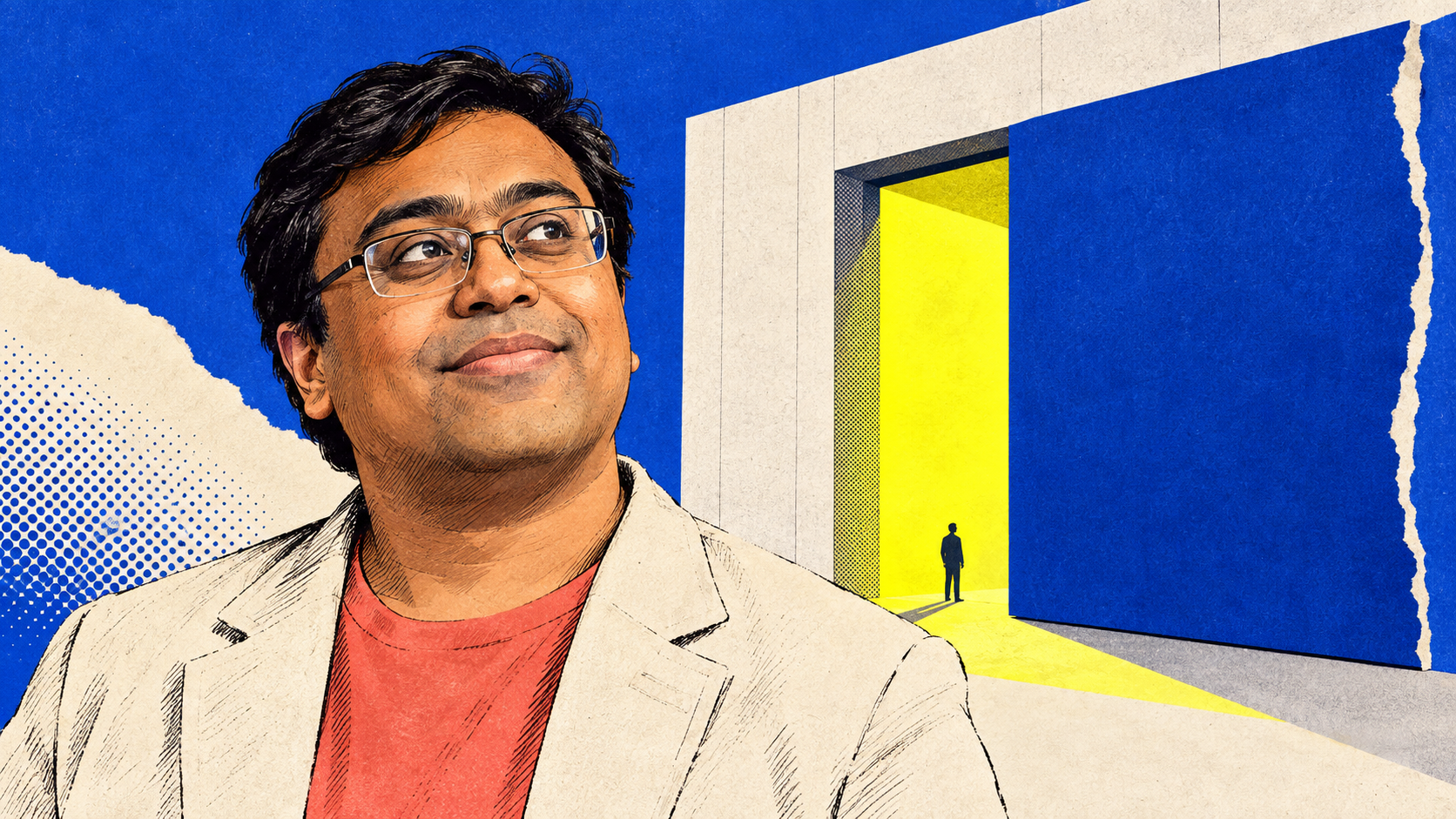







Emad Mostaque argues that the most capable AI will stay inside powerful institutions. The evidence reveals a more complicated divide over models, computing and control.
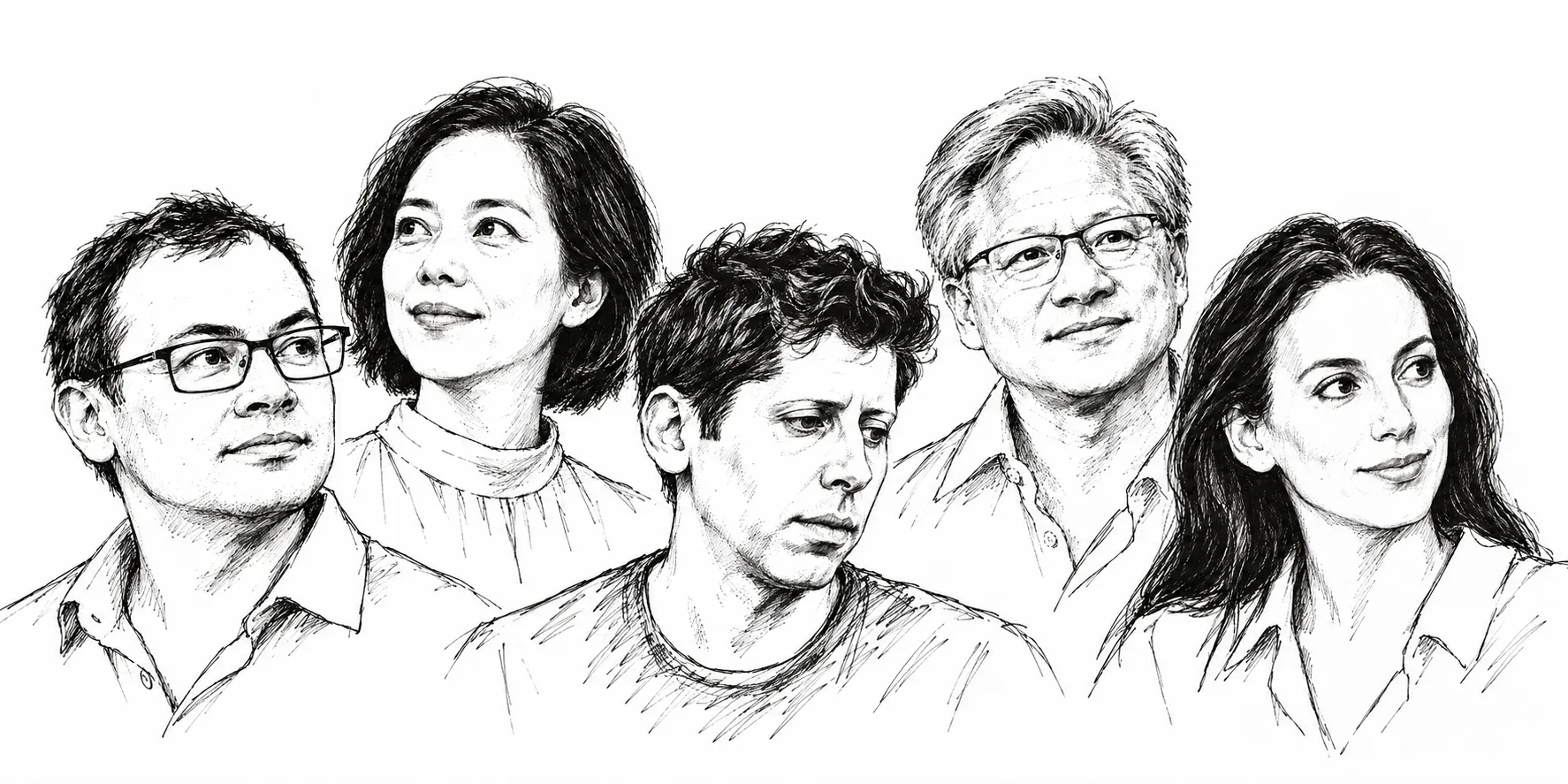
Who is doing the work that will define AI’s next phase? Nuvastra profiles 50 researchers, founders and thinkers across frontier models, robotics, scientific discovery, infrastructure and accountability. This unranked guide explains their contributions, connects the ideas behind them and distinguishes established results from emerging ambitions, with an individual pen-and-ink-style portrait for every person.
Bryan Korba brings an investor’s and operator’s perspective to the debate over artificial intelligence. In this Nuvastra interview, the Popcorn Labs founder discusses machine authority, institutional failure and the future of work.
Anthropic is bringing Claude into the work around financial advice, with Charles Schwab providing a route to independent advisory firms. The launch connects AI to existing tools for preparation, research and follow-up. Nuvastra examines why the integration matters, what the pricing claims do—and do not—establish, and how firms could distinguish a fluent demonstration from a genuinely useful working process.
Waymo is preparing a driverless taxi service in Tokyo with GO and Nihon Kotsu, targeting 2027 subject to approvals and validation. The plan puts a practical test at the centre of physical AI: whether a driving system can travel successfully when the service around it must be built locally. Nuvastra examines the evidence, the remaining conditions and what a credible rollout would need to demonstrate.
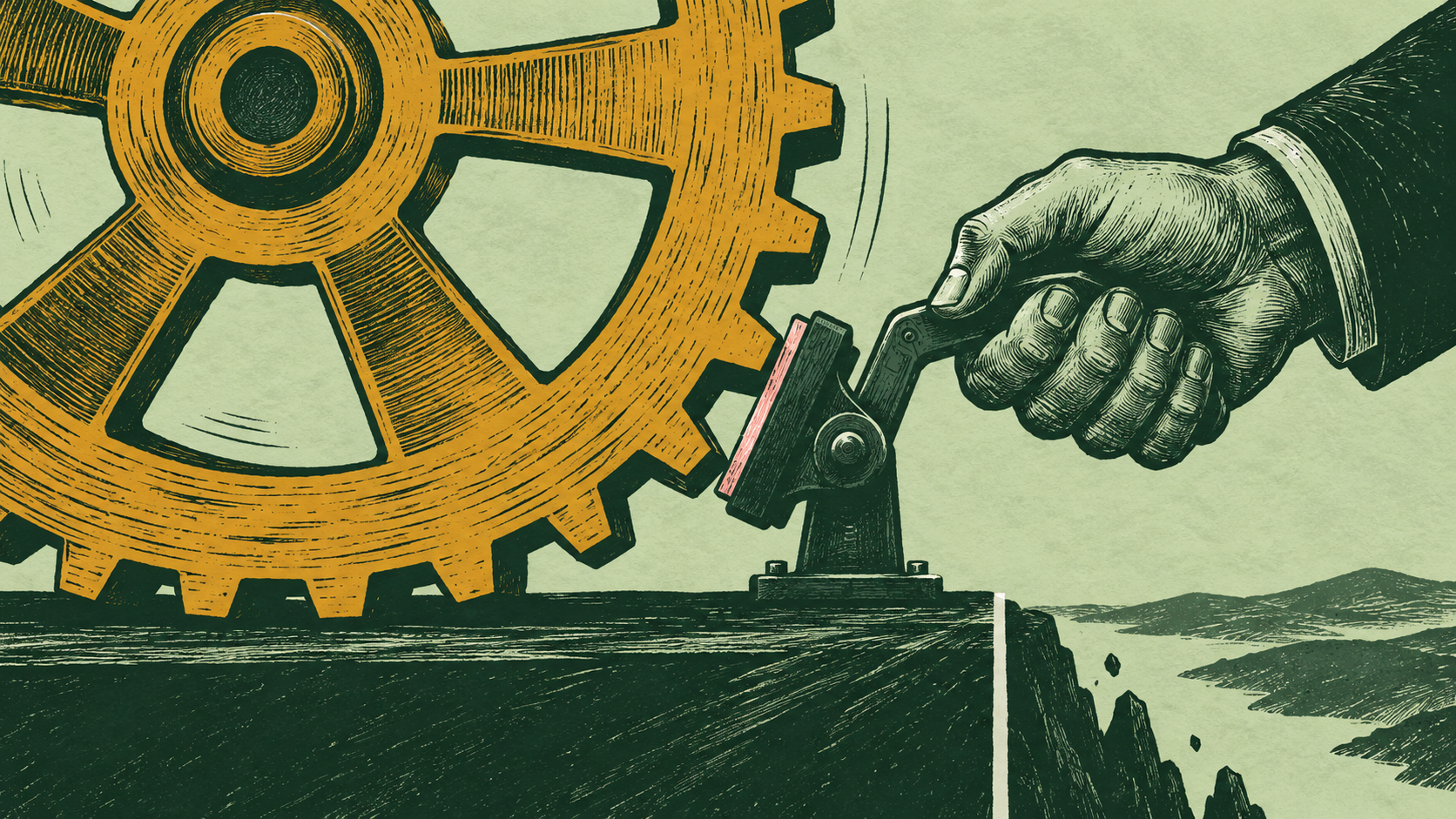
Microsoft has set out a proposed rulebook for AI that remains under human control. Its ambitions raise practical questions about authority, interruption and the difference between a stated principle and a tested safeguard. Nuvastra examines what the consultation establishes, what it leaves unproven and how businesses could judge the promise against completed work.
Dario Amodei’s call to pace frontier AI has won support from Sam Altman and Elon Musk and unsettled global markets. Behind the headlines lies a practical question: who gets to inspect the work? Nuvastra examines the proposal, the lessons from independent investigations and the evidence needed to turn a safety commitment into meaningful oversight.
d-Matrix plans to bring its Raptor inference processors into NVIDIA’s rack-scale infrastructure. The partnership offers a revealing view of an AI chip market in which specialist hardware can compete within a larger platform. Nuvastra examines the 2027 roadmap, the logic of splitting inference workloads, and the evidence customers will need before promises of faster responses become a convincing business case.
Anthropic’s latest disclosure raises a difficult question for the AI industry: how should productivity be measured when the same capabilities can support legitimate work and organised abuse? Nuvastra examines the evidence behind the Claude misuse report, places it alongside security research from Microsoft and the UK’s NCSC, and explores why permissions, oversight and accountability belong at the centre of the business case for AI agents.
Mistral has raised €3bn at a valuation above €21bn, completing the largest private technology equity round in European history. Nuvastra examines why Samsung's investment, Mistral's sovereign-compute ambitions and Europe's enormous funding gap with the US matter more than the headline valuation, and whether Europe's leading AI company is developing a genuinely different way to compete.
Artificial intelligence has developed a new vocabulary as the industry moves beyond chatbots towards agents, reasoning systems, persistent memory and physical AI. Nuvastra explains the emerging terms that matter in 2026, from MCP, A2A and context engineering to recurrent depth, world models, open-weight AI, vibe coding and AI slop, including what each term means, why it matters and what it should not be confused with.
XDOF has gone from a UC Berkeley robotics project to one of physical AI’s most closely watched infrastructure startups. Nuvastra examines its founders, $70 million Series A, ABC-130K dataset, robot-data business, competitors and the reported financing that could value the company at around $1.2 billion.