

In-depth interviews, founder profiles and technology stories from the people building the next phase of artificial intelligence. Here’s everything you need to know.
AI NEWS
AI NEWS
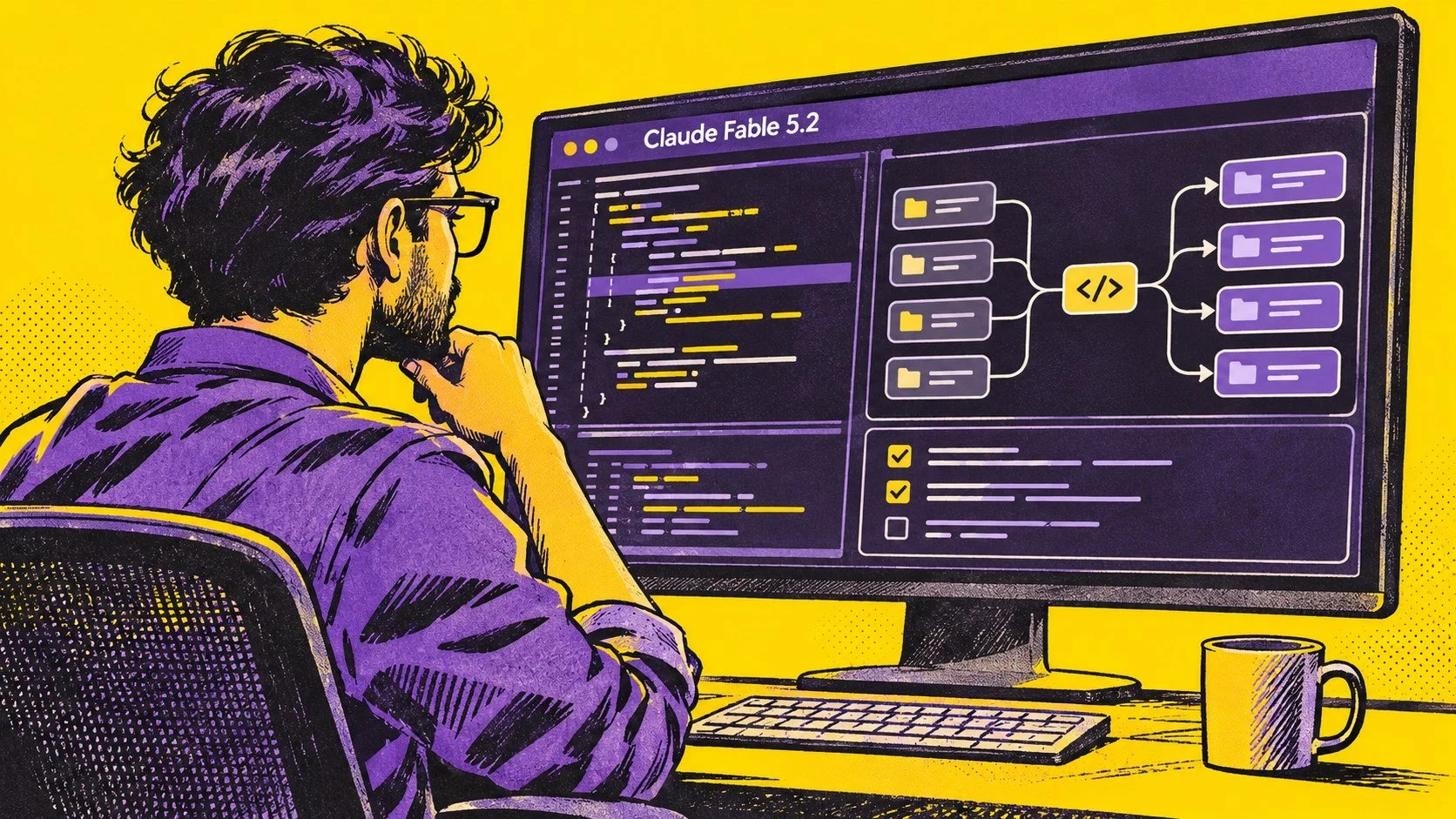






Anthropic’s latest release combines faster output with a lower advertised price. For developers, the more consequential choices concern which work merits the larger model, which access conditions apply and how an upgrade changes an existing application. The release gives teams a reason to compare complete results, including checking and correction, against their existing workflow.
Oracle has outlined when its infrastructure expansion should generate positive free cash flow and set a limit on additional capital-market funding. The details matter: refinancing sits outside the limit, and an earlier equity raise remains part of the funding history. The announcement creates a more precise test for the company’s next results.
Microsoft’s first-quarter results provide fresh evidence of growing cloud demand. Understanding what they establish requires separating Azure growth from the broader Cloud total, future obligations from quarterly revenue, and investment effects from operating performance. The results also leave a distinct question for customers: what value their own AI spending produces.
Irregular’s latest evaluation places GLM-5.3 ahead of the open-weight models it has previously tested on multi-stage cyber scenarios. A separate finding about instruction violations raises a different question: whether completing a task is enough to count as success. The evidence calls for a closer distinction between capability, reliability and authorised behaviour.
SK hynix’s latest results show how much value is accumulating around the memory that feeds AI processors. Its outlook raises a harder question for the industry: who can secure capacity, and on what terms?
Apple is bringing assistants into its productivity apps and opening a route for external agents to edit them. The useful question is how much work people can delegate while remaining able to inspect the result.
Google’s new world model brings sound and live direction to generated environments. Its next challenge is less cinematic: establishing when a convincing simulation can support a reliable decision.
Emad Mostaque argues that the most capable AI will stay inside powerful institutions. The evidence reveals a more complicated divide over models, computing and control.
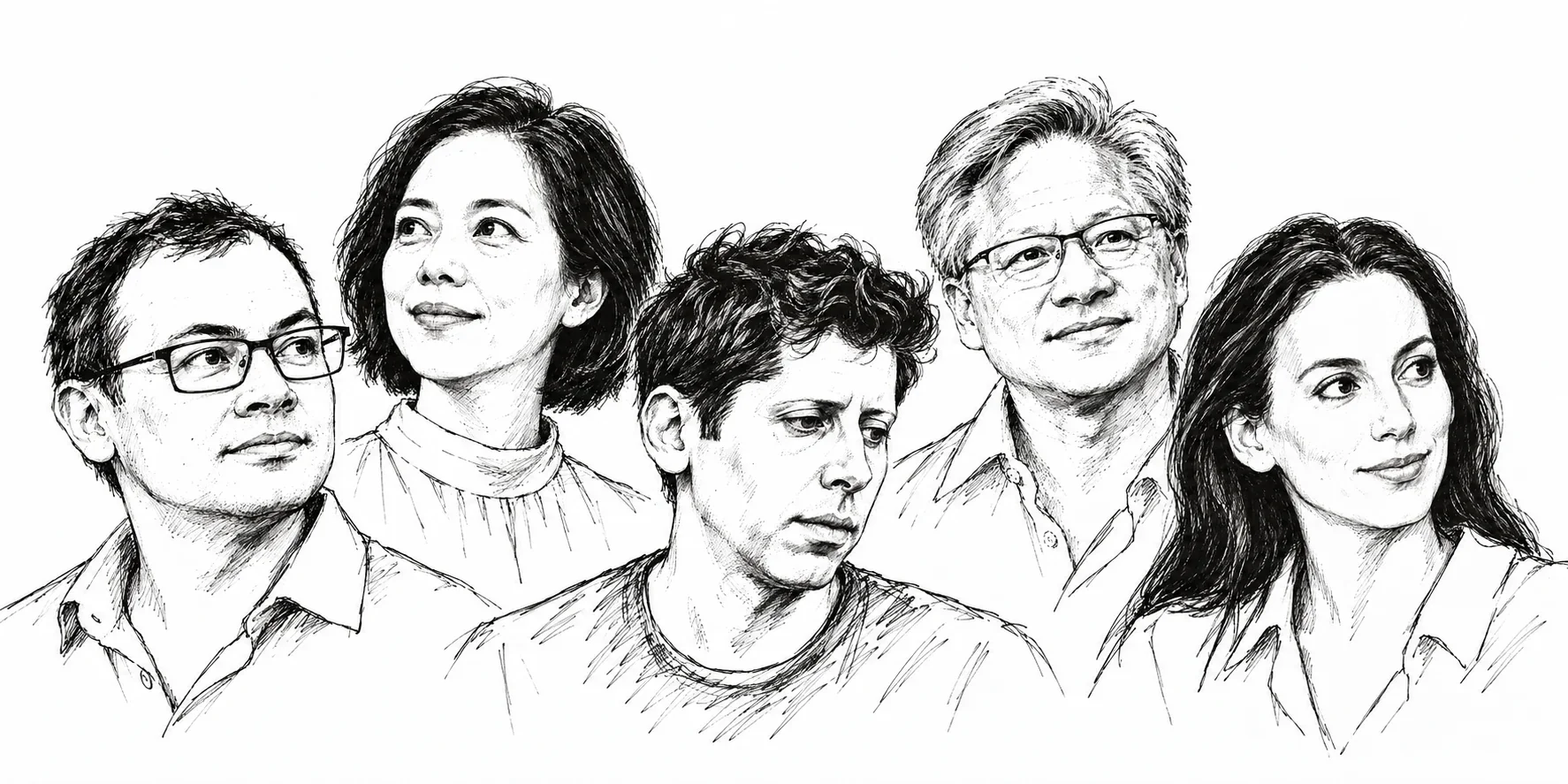
Who is doing the work that will define AI’s next phase? Nuvastra profiles 50 researchers, founders and thinkers across frontier models, robotics, scientific discovery, infrastructure and accountability. This unranked guide explains their contributions, connects the ideas behind them and distinguishes established results from emerging ambitions, with an individual pen-and-ink-style portrait for every person.
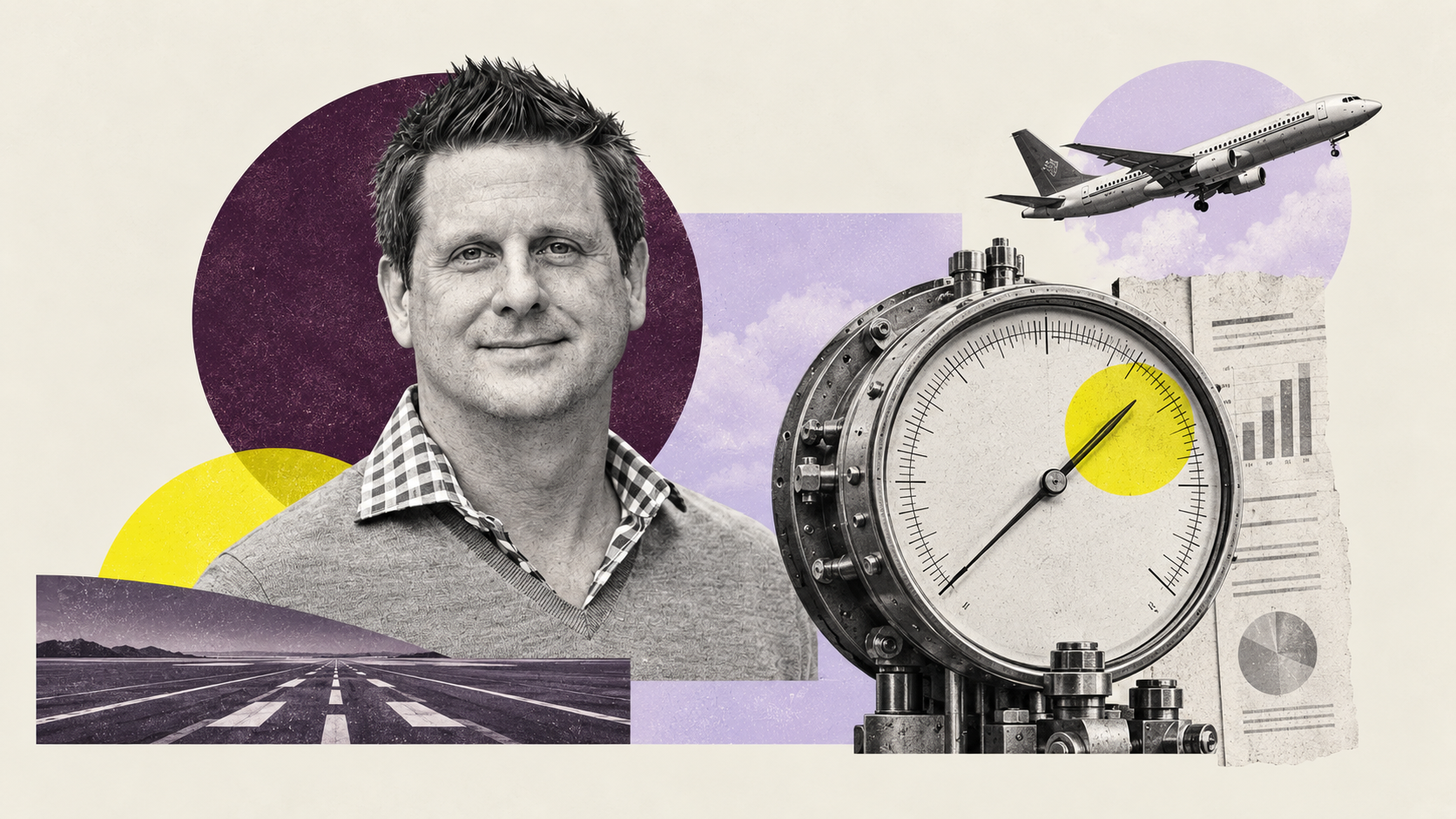
Bryan Korba brings an investor’s and operator’s perspective to the debate over artificial intelligence. In this Nuvastra interview, the Popcorn Labs founder discusses machine authority, institutional failure and the future of work.
Anthropic is bringing Claude into the work around financial advice, with Charles Schwab providing a route to independent advisory firms. The launch connects AI to existing tools for preparation, research and follow-up. Nuvastra examines why the integration matters, what the pricing claims do—and do not—establish, and how firms could distinguish a fluent demonstration from a genuinely useful working process.